You Don’t Need a Fertility Diet to Prepare for Pregnancy
Before filling your kitchen with powders and supplements, start with the foods you already eat.
Trying to conceive can make even the most ordinary meal feel like it’s falling short. Breakfast now has to support your hormones, improve egg quality, and prepare your body for implantation, all while tasting like something you want to eat.
The pressure makes sense. When so much of the process is uncertain, food can feel like one thing you should be able to control. But preparing for pregnancy doesn’t require a separate fertility diet. It starts with eating well, taking a prenatal, and understanding which nutrients you may need more of.

Photo credit: Matilda Wormwood
Preconception Has Become Another Wellness Project
The fertility aisle may not technically exist, but the internet has built one. There are powders that promise better egg quality, teas that claim to balance hormones, seed cycling comes with its own calendar, and some supplement routines have taken over an entire kitchen counter.
While some of these products may contain useful ingredients, the problem is how quickly they turn preconception into a lifestyle overhaul. More supplements don’t automatically mean more support, and a food isn’t any more nutritious because the word “fertility” appears on the package.
Before buying something new, it helps to understand what your body is actually asking for.
Start With What Has a Clear Purpose
Folate is one of the clearest places to begin. It’s a form of vitamin B9 that supports DNA production and cell division, and it becomes especially important during the earliest weeks of fetal development.
The CDC recommends 400 micrograms of folic acid each day for anyone who could become pregnant. Because the neural tube begins developing before many people know they are pregnant, waiting for a positive test can mean missing part of that early window.
A few other nutrients deserve attention too: choline, iodine, iron, vitamin B12, vitamin D and omega-3 fats. Together, they support everything from thyroid function and red blood cell production to brain and nervous system development. That doesn’t mean you need a separate supplement for each one—they’re worth checking against what you eat, what’s already in your prenatal, your health history, and any bloodwork you’ve had done.
And this isn’t only the woman’s responsibility. Sperm health deserves equal attention, including adequate nutrition in the months leading up to trying to conceive.

Photo credit: Cottonbro Studios
Your Prenatal May Not Cover Everything
“Prenatal” sounds complete, but there’s no single standard formula. According to the National Institutes of Health, some prenatal vitamins don’t contain iodine or choline, while gummy formulas often leave out iron and calcium. DHA is also not included in every prenatal. This isn’t a reason to build a larger supplement stack, but you should check what your prenatal provides and bring the label to your healthcare provider.
Your diet, medications, health history, and bloodwork can help determine what you actually need. Taking several products without checking them together can also lead to unnecessary overlap.
Food Doesn’t Need a Fertility Label
Lentils aren’t fertility lentils. Eggs aren’t fertility eggs. Salmon doesn’t need a new name once you start trying to conceive.
Beans and lentils provide folate and iron. Eggs offer choline and vitamin B12. Salmon provides DHA and EPA. Tofu, fortified plant milk, leafy greens, berries, whole grains, and iodized salt can all contribute too. These are the same ordinary foods that belong in a balanced way of eating, whether pregnancy is in the plan or not.
You also don’t need to fit every nutrient into one day. Build variety across the week, pair plant-based iron with vitamin C, and use fortified foods where they make sense. If you want more plants in your rotation, start with a few pantry staples you’ll actually use.
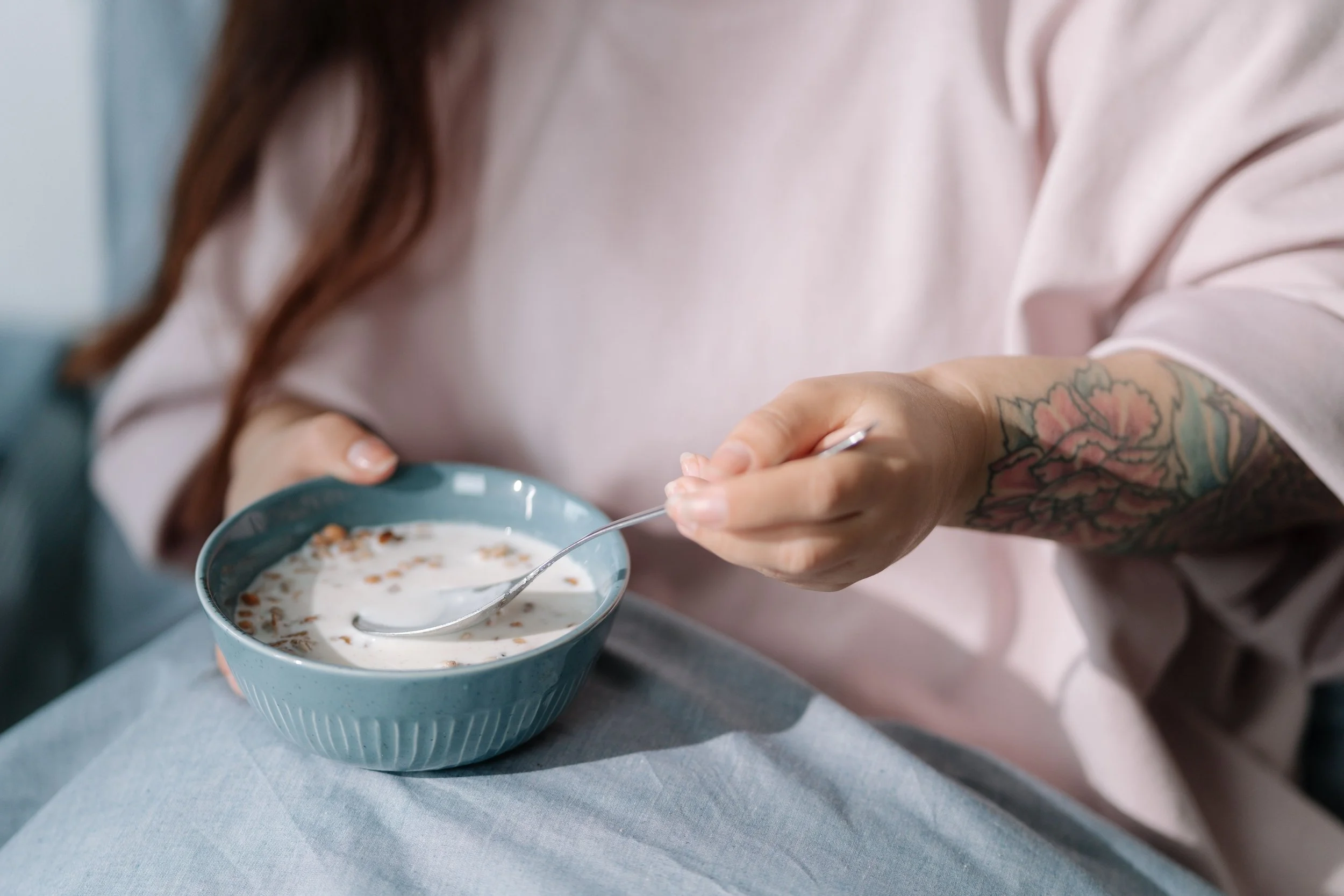
Photo credit: Ron Lach
Preparation Isn’t Control
This is the part fertility content often leaves out. You can nourish your body, take a prenatal, attend your appointments, and still be unable to control how or when conception happens.
Nutrition can support reproductive health and help prepare the body for pregnancy. It can’t guarantee pregnancy, prevent every complication, or make someone responsible for an outcome beyond her control.
Preconception nutrition should leave you feeling supported, not afraid of your refrigerator. Start with the basics, learn what your body may need, and let food remain food.