A Guide to Eating More Plants, No Full Vegan Required
Keeping a little animal protein in the mix still counts; no all-or-nothing required.
Maybe your doctor told you to ease up on meat. Maybe you’ve been curious about “Meatless Mondays.” Or maybe you just want to feel a little lighter after dinner. Whatever brought you here, here’s the good news: you don’t need to go fully vegan to eat more plants, and you definitely don’t need to overhaul your whole kitchen overnight. Even landing around 80 percent plants, 20 percent animal protein gets you more fiber, a wider range of nutrients, and less strain on the planet, without swearing off anything for good.
This guide covers two things: how to make eating more plant-based foods stick, and what foods to keep stocked once it does.
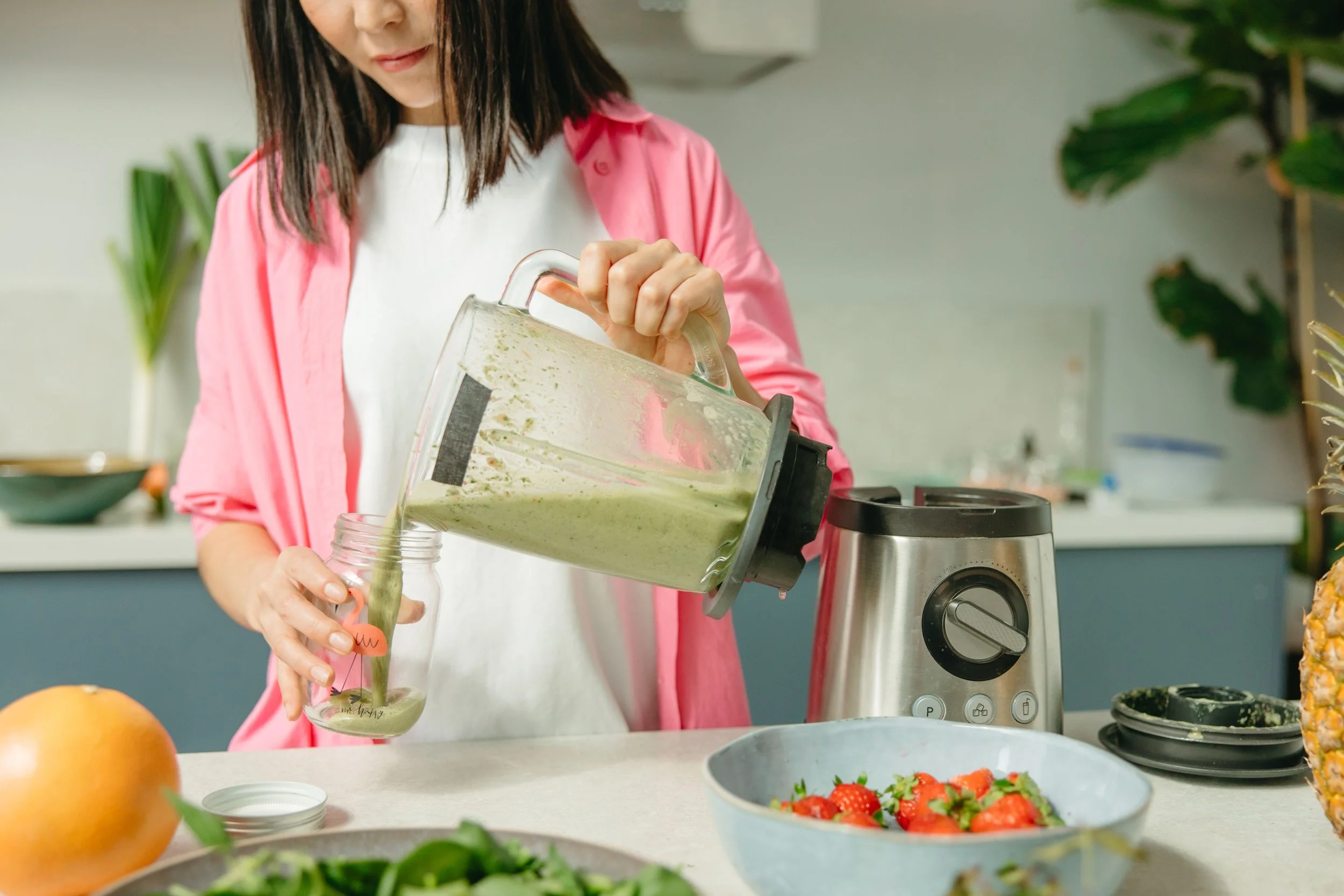
Photo credit: Yaroslav Shuraev
How to Make Eating Plant-Based Stick
After 20 years of eating this way, here’s what I know for sure: the people who stick with it are almost never the ones who go all in overnight. They’re the ones who let it happen slowly, on their own terms, because what works for your friend’s body isn’t going to look identical on yours. Vegan, vegetarian, flexitarian—forget the labels. One plant-based dinner this week still counts.
Give Yourself Time
Instead of flipping your whole diet at once, pick a day or two a week to go fully plant-based and build from there at whatever pace feels doable. Lean on whole foods, fruits, vegetables, legumes, whole grains, nuts, and seeds.
Swap Instead of Sacrifice
Swap plant-based versions of what you already eat, such as oat, almond, soy, or cashew milk instead of dairy. Instead of eating meat, you can incorporate tofu, tempeh, or legumes into your diet. Be sure to check labels for animal-derived ingredients like gelatin, whey, and casein.
Keep an Eye on These Nutrients
B12, vitamin D, omega-3s, and iodine can dip when you’re eating more plant-forward, so it’s worth a check-in with your doctor or a dietitian about whether supplementing makes sense for you.

Photo credit: Thirdman
Try Plant-Based Meals with Friends
The real test is what happens at dinner with other people. Pick restaurants with decent plant-based options, offer to bring a dish when you’re headed to someone’s house, and tell people what you’re doing. It’s a lot easier to stay consistent when you’re not doing it alone.

Photo credit: Rdne
What to Stock
Once eating more plant-based meals starts to feel normal, the easiest way to keep it going is having the right stuff in your kitchen. A well-stocked pantry makes a good plant-forward meal the easy choice rather than the ambitious one. This is specifically about pantry staples, not fresh produce.
Grains, Legumes, and Pasta
These are the backbone of most plant-forward meals, offering protein and fiber in nearly infinite combinations. A well-rounded shelf includes a few grains (rice, quinoa, farro, and oats cover a lot of ground), a rotating cast of beans and lentils, and a couple of pasta shapes for whatever the week calls for. Chickpeas, black beans, and lentils in particular show up in enough recipes to earn permanent real estate in the pantry.
Rice (brown, white, or wild)
Quinoa (white or red)
Lentils (red, green, brown and yellow)
Chickpeas (garbanzo beans)
Black beans
Kidney beans
Navy beans
Soybeans (edamame and kinako)
Split peas (yellow)
Cannellini beans
Lima beans
Butter beans
Oats (steel cut, rolled oats)
Whole wheat pasta or regular pasta
Gnocchi
Orzo
Pearled couscous
Nuts and Seeds
Beyond snacking, nuts and seeds are super nutritious. Almonds, cashews, and walnuts add richness to both sweet and savory dishes, while chia and flax seeds are an easy way to build fiber and healthy fats into a meal without changing much else.
Almonds
Cashews
Walnuts
Chia seeds
Flax seeds
Pumpkin seeds (pepitas)
Sunflower seeds
Plant-Based Milk
A staple well beyond just plant-based households at this point. Oat and almond milk tend to be the most versatile for both cooking and drinking, but coconut, soy, and cashew milk each bring something different to the table depending on what’s being made.
Almond milk
Coconut milk
Oat milk
Soy milk
Cashew milk
Rice milk
Tigernut milk
Hemp milk
Canned Goods
Convenient, affordable and useful in a pinch. Diced tomatoes, tomato paste, and a good vegetable broth or bouillon form the base of more meals than they get credit for. Canned coconut milk deserves a specific mention too; it’s the easiest route to a good curry with almost no prep involved. Canned beans are also great to keep on hand, and they help make any meal the star without compromising on taste, fiber, or protein.
Diced tomatoes
Tomato sauce
Tomato paste
Coconut milk (great for curries)
Vegetable broth (paste and bouillon)
Beans (black, kidney, pinto, butter beans, etc.)
Chickpeas
Condiments and Spices
This is where a plant-forward pantry earns its flavor. Soy sauce or tamari, nutritional yeast, and tahini cover a lot of good savory ground. Gloria’s Shito, a Ghanaian chili oil, is worth shouting out specifically. It’s bold, distinct, and unlike most hot sauces on a typical shelf. Good olive oil matters more than people think, too. SIMPLi’s EVOO works well as a finishing oil, while Graza’s Sizzle is built specifically for cooking.
Soy sauce (light and dark)
Tamari (gluten-free option)
Nutritional yeast, aka nooch
Tahini
Hot sauce (Sriracha and YellowBird’s Organic Habanero are favorites)
Ghanaian chili oil (Gloria’s Shito Spicy is the standout)
Chili crunch
Maple syrup
Agave nectar
Olive oil
White rice vinegar
Garlic powder
Onion powder
Cumin powder
Chili powder
Paprika (hot and smoked)
Turmeric
Cinnamon
Black pepper
White pepper
Cayenne pepper
Jalapeño powder
Berbere powder
Frozen Fruits and Vegetables
Often overlooked, but one of the most useful categories here. Frozen produce retains its nutrients well, costs less than fresh produce in most cases, and never goes bad before it’s used. Frozen berries make smoothies effortless, and a bag of spinach, peas, or edamame in the freezer means a vegetable is always in reach.
Mixed berries
Spinach
Broccoli
Peas
Corn
Green beans
Edamame
Black-eyed peas
None of this is meant to be a rigid checklist, in the pantry or in how the change happens overall. You don’t have to be fully plant-based to get something out of this guide. It’s just as much for anyone trying to work a few more plants into their week as it is for anyone going all in.
Our editors are always sourcing pieces we genuinely love. If you purchase something through one of our affiliate links, we may earn a commission at no cost to you.