The Summer Eating Framework You'll Actually Stick With
A certified nutrition coach shares a simple approach to building balanced meals without overthinking every bite.
It’s officially summer, which means weekends quickly fill up with patio dinners, backyard barbecues, farmers market trips, and the occasional ice cream run simply because it sounds good. It’s also the time of year when healthy eating can start to feel more complicated than it needs to be.
As a certified nutrition coach, one of the simplest frameworks I come back to is building meals around a few foundational components instead of trying to make every plate perfect. It’s flexible enough to work whether you’re cooking at home, heading out for brunch, or grabbing dinner on vacation.
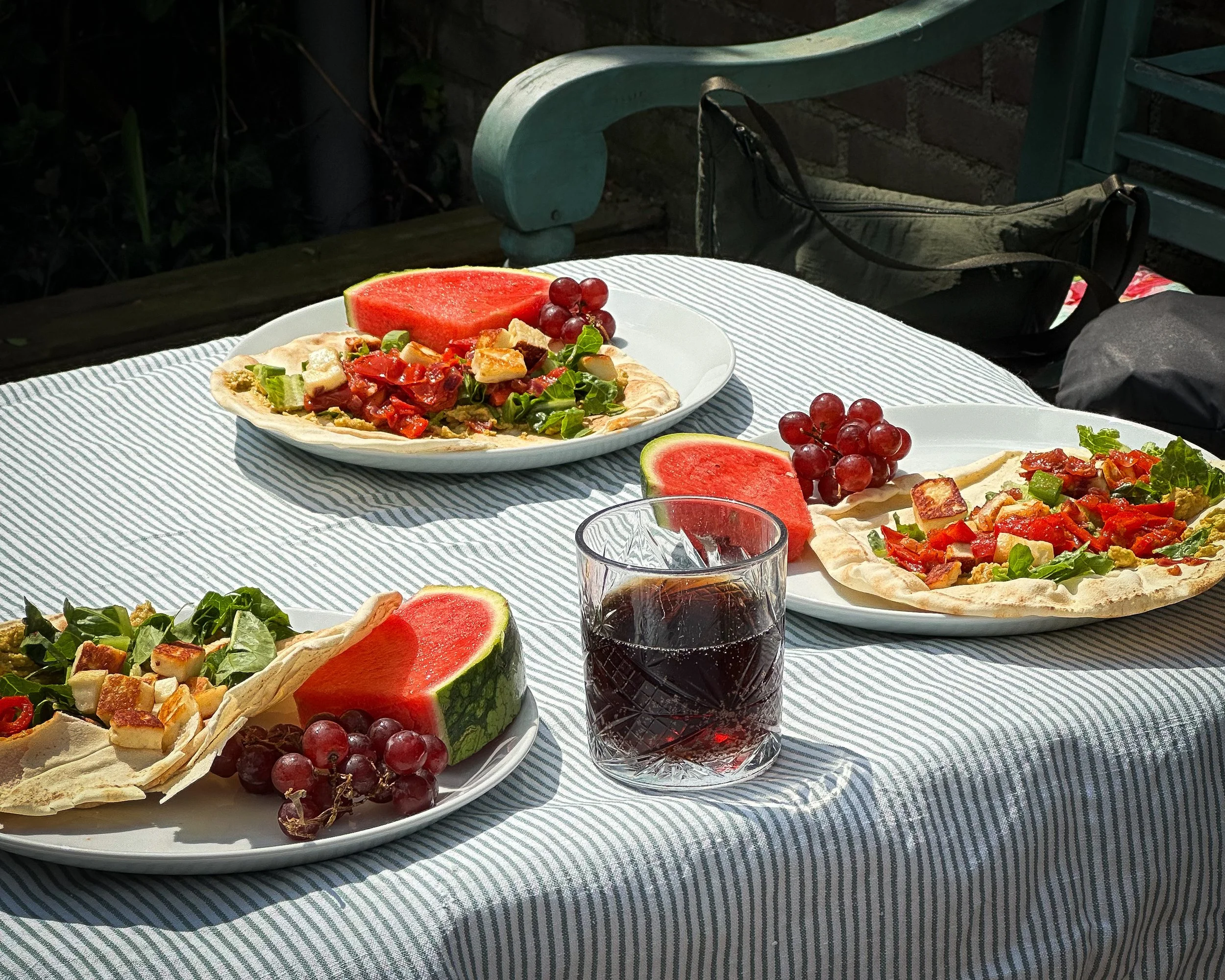
Photo credit: Renee Maessen
Start With Three Simple Components
When building your plate, think about three components: a source of protein, a healthy fat, and either a fruit, vegetable, or carbohydrate source, ideally a combination of the latter two. It’s a simple pattern you can return to when you need a little guidance.
That might look like grilled salmon with roasted sweet potatoes, greens, and avocado, a grain bowl with chickpeas, tahini, cucumber, tomatoes, and quinoa, or eggs with sautéed spinach cooked in olive oil and whole-grain toast. While these meals look different, they all follow the same nutritional pattern. That’s what makes this approach practical. It adapts to your schedule, your preferences, and whatever happens to be on your plate that day.
You Don’t Need to Track Every Nutrient
One misconception I see often is that eating well means tracking every vitamin and mineral individually. In reality, many important nutrients naturally fit into this framework. Leafy greens provide iron, berries are a good source of folate, eggs contain choline, and fatty fish like salmon are rich in omega-3 fatty acids. Small additions throughout the day often make a bigger difference than chasing perfection at every meal.
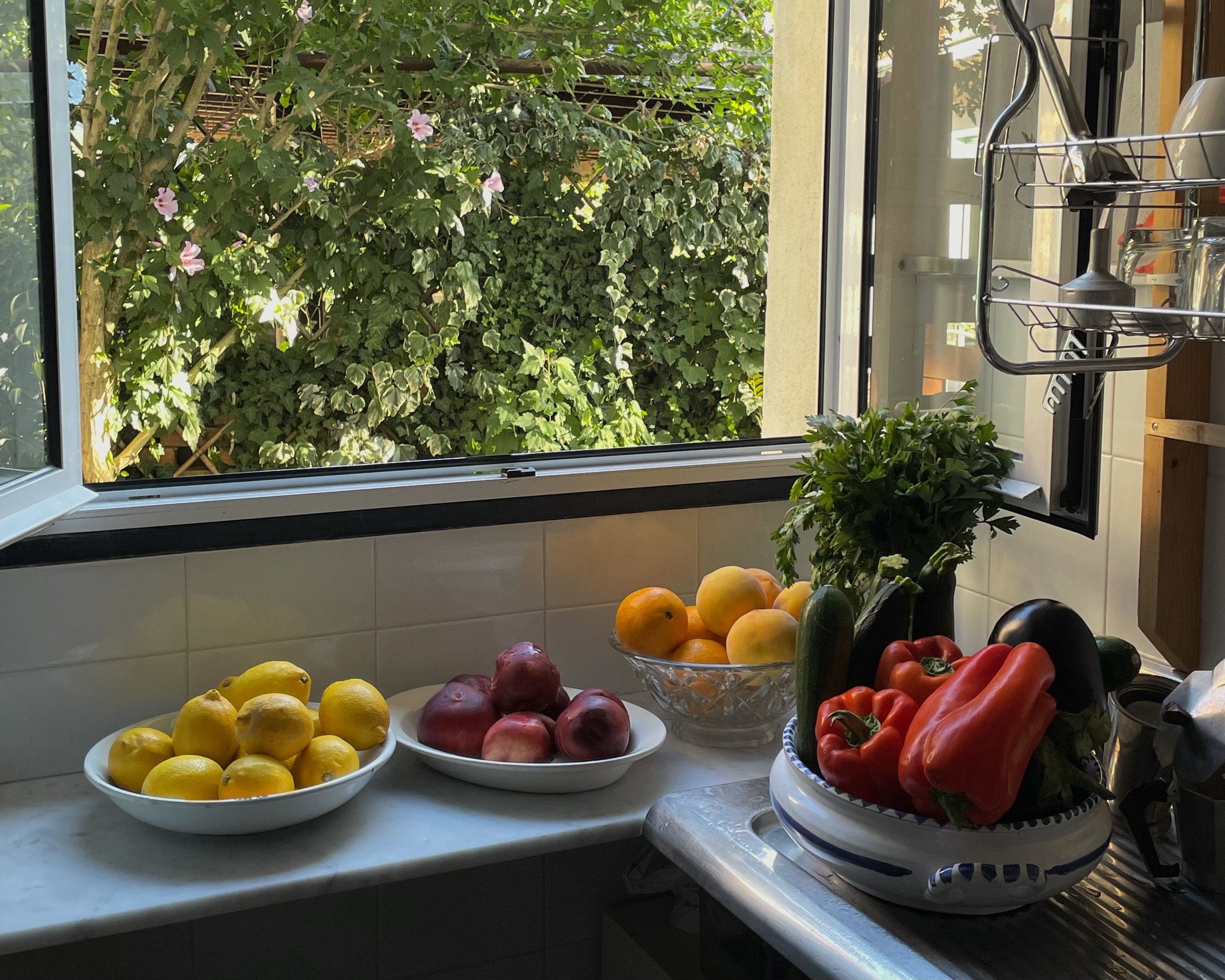
Photo credit: Lisa Christensen
Summer Produce Does Some of the Work for You
One of my favorite things about summer is that eating well becomes a little easier simply because so much produce is in season. Peaches, tomatoes, corn, zucchini, berries, and fresh herbs all make it easy to add color, flavor, and variety to your meals without overthinking it.
Dining Out Doesn't Have to Throw You Off Track
The same mindset applies when you're eating out. Instead of scanning the menu for the "healthiest" option, order what genuinely sounds satisfying and think about how you can round out the meal. Maybe that's adding a side of vegetables, sharing a salad with the table, or choosing grilled fish. Small adjustments can help create a balanced plate without making the experience feel restrictive.

Photo credit: Malia Lipsey
Yes, Convenience Foods Count
Not every meal needs to start from scratch. On nights when cooking isn't happening, convenience foods can absolutely have a place in a balanced routine. A rotisserie chicken paired with a bagged salad and pre-cooked grains is still a nourishing meal. So is a grain bowl assembled from leftovers or whatever you already have in the refrigerator.
The Best Nutrition Plan Is the One You'll Follow
There's no one right way to eat, and there doesn't have to be. Having a simple framework to come back to can take some of the pressure out of everyday decisions, leaving more room to enjoy everything summer has to offer. The best nutrition plan isn't the most complicated one or the most restrictive. It's the one you can realistically stick with, whether you're at home, on vacation, or saying yes to one more dinner with friends before the season ends.