How to Tip Abroad Without Insulting Anyone
The right tip in one country is an insult in another. Here's how to get it right wherever you land.
I’ve spent enough time moving through airports and unfamiliar dining rooms to know that tipping is one of the few travel habits that doesn’t translate. What reads as generous at home can come across as strange, or even insulting, somewhere else, and I’ve had to unlearn my own instincts more than once. A card machine turned toward me expectantly in London is a different situation entirely from a cash-only dinner in Lisbon, and neither has anything to do with how I’d tip back home.
Tipping isn’t a universal language. It’s shaped by local wages, cultural norms and history, and after years of getting it wrong in both directions—over-tipping out of guilt and under-tipping out of ignorance—I’ve picked up a working sense of how to navigate it. Here’s what I’ve learned, region by region.
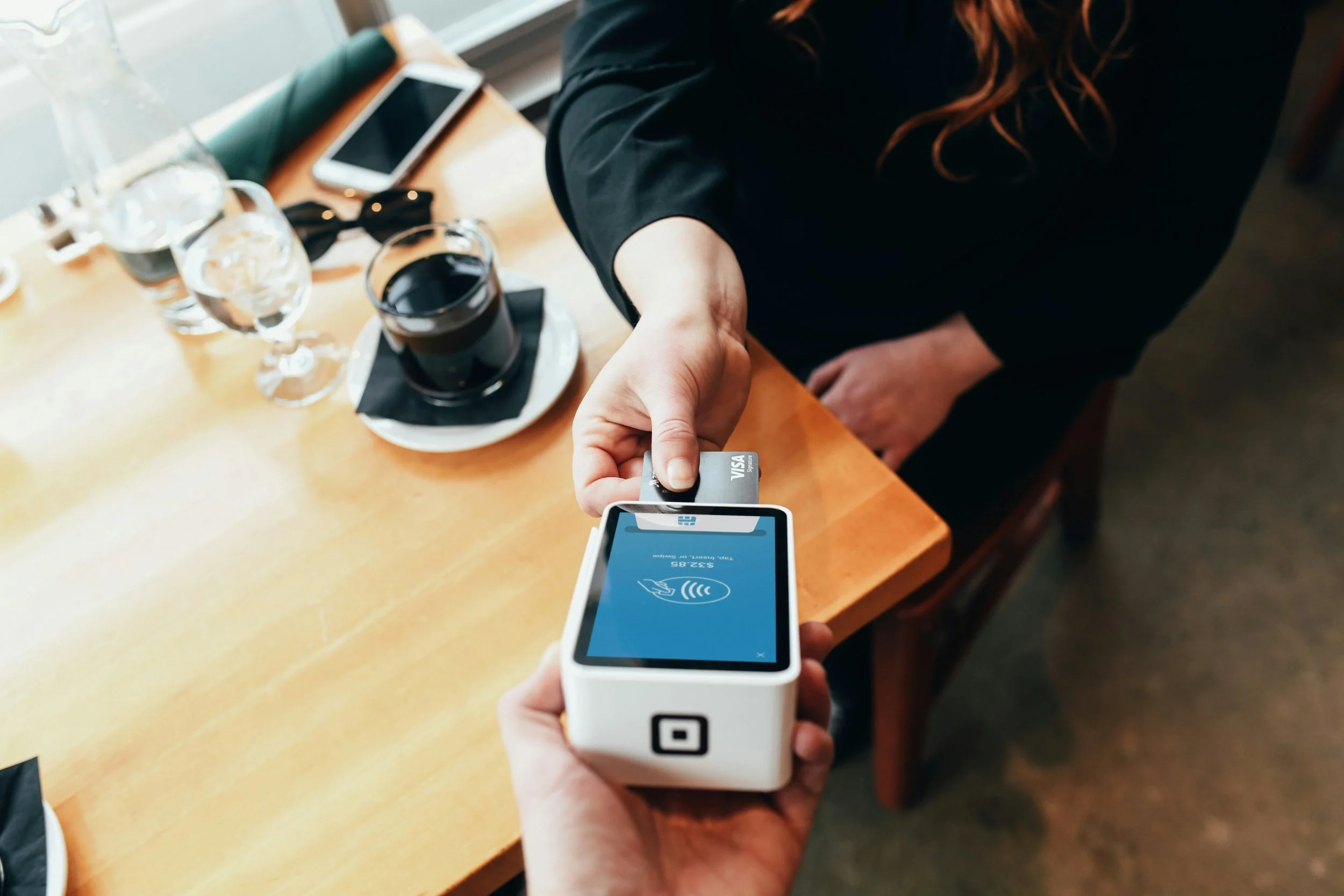
Photo credit: Blake Wisz
The Three Tipping Philosophies
Before getting into specifics, it helps to understand that most countries fall into one of three categories. In tip-expected cultures, like the United States and Canada, tipping is treated as a meaningful part of a worker’s income, and skipping it is a real problem, not a personal choice. In tip-appreciated cultures, common across much of Western Europe, tipping is a bonus for good service, not an obligation. In tip-uncommon to tip-averse cultures, mostly across East Asia, tipping isn’t expected and can even come across as awkward or insulting.
Knowing which category I’m walking into solves most of the guesswork before I even sit down.
North America
At home, 18-20% has become the standard for adequate table service, with 20-25% for excellent service. Tipping expectations have crept up in recent years, so what once felt generous now reads as average. Mexico follows a similar logic: tipping is customary and expected in restaurants, generally in the 10-15% range, and I always make sure I have cash on hand rather than relying on a card.
Western Europe
This is where I’ve had to correct my own habits the most. Most restaurants in France, Italy, Spain, and Germany already include service in the price, so tipping is a bonus for great service, not a requirement. I’ve learned that rounding up the bill or leaving 5-10% reads as generous rather than stingy. In the U.K., I always check the bill for a discretionary service charge (typically 10-12.5%) before adding anything further.
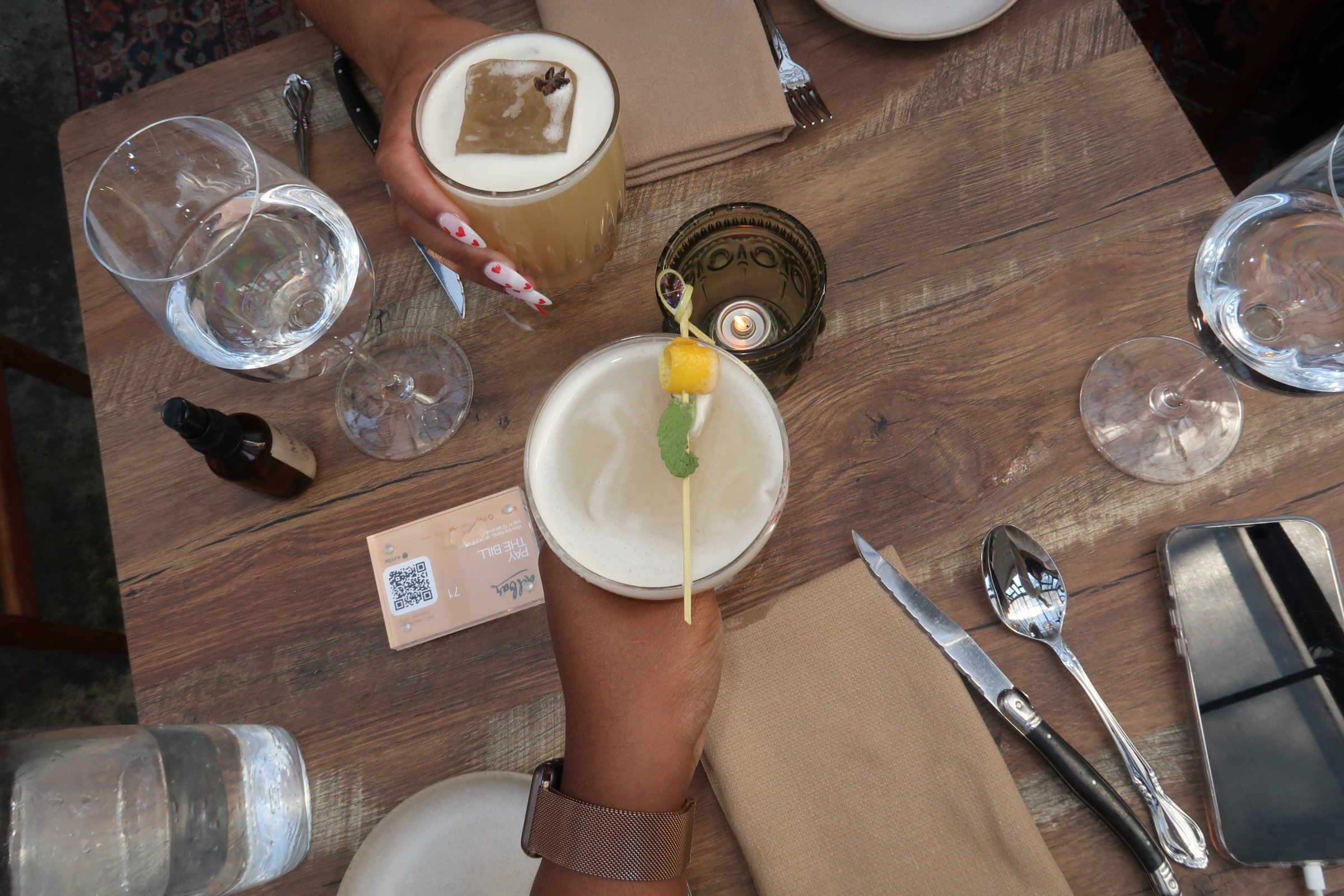
Photo credit: Darola
East Asia
This is the region where good intentions can backfire, and although I haven’t been to this region, I would be the most intentional when traveling through East Asia. In Japan, South Korea and China, tipping isn’t part of the culture and can make service staff uncomfortable. If the bill already includes a service charge, that’s the tip. Nothing more is expected or wanted.
The Middle East and Africa
Norms vary more widely here than almost anywhere else. In Jordan, a 15% tip is customary. In Dubai and much of the UAE, a service charge is often included, but I’ve found an additional cash tip is still commonly expected on top of it. Across much of Africa, tipping is customary in tourist-facing restaurants and hotels, generally in the 10% range, with slightly more for standout service.
Latin America and the Caribbean
Tipping is broadly expected across this region, with Brazil at around 10% and standard restaurant tipping elsewhere at 10-15%. Cash is strongly preferred throughout Latin America.
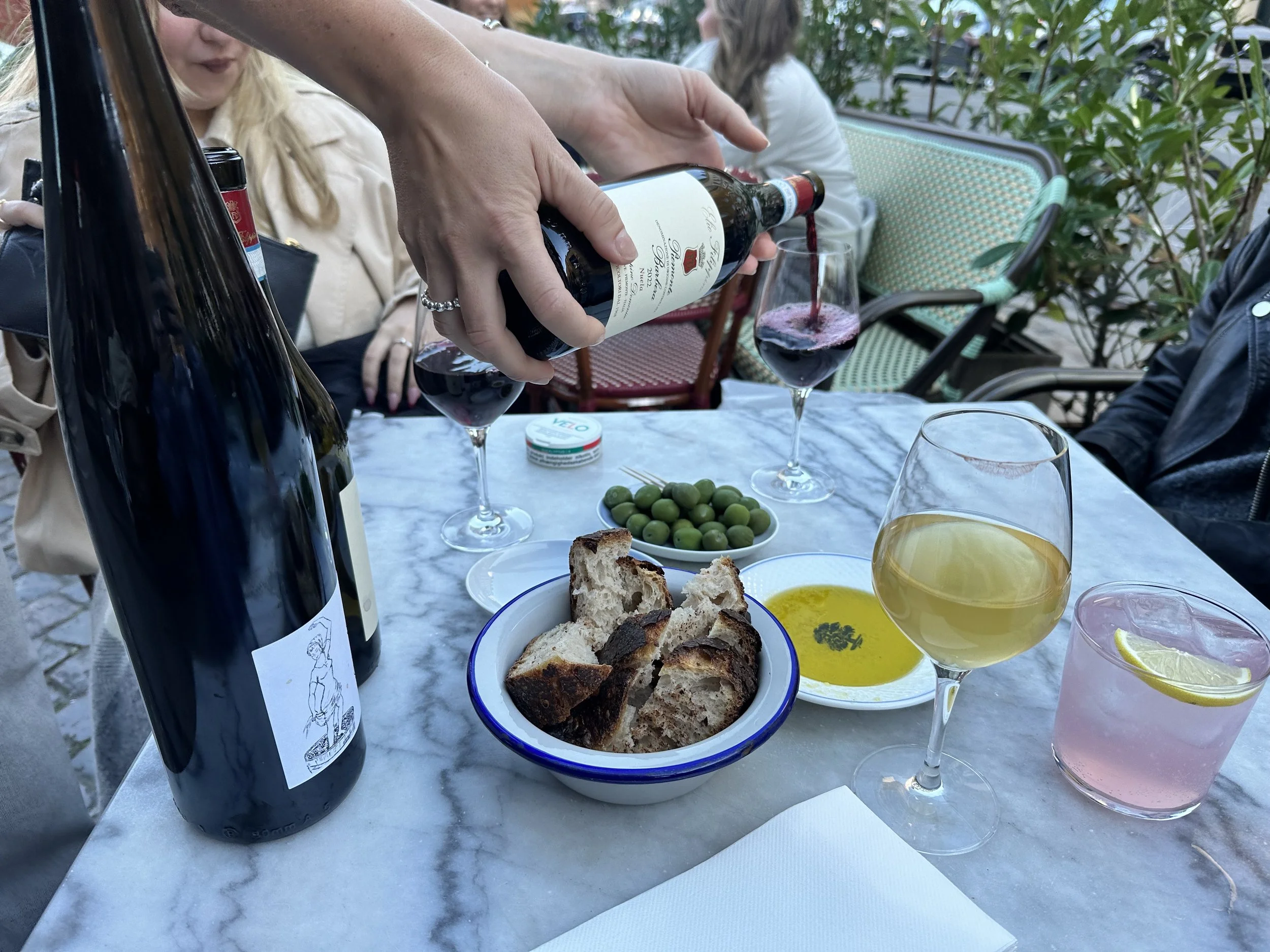
Photo credit: Ida Uosukainen
A Few Rules I Travel By No Matter Where I Land
Carry Local Cash
In most countries outside the U.S., Canada, and the U.K., card tipping either isn’t an option or doesn’t reliably reach the worker. I always withdraw local currency from an ATM rather than exchanging at an airport counter, and I keep small bills on hand throughout the trip.
Never Tip in U.S. Dollars If You Can Avoid It
Workers who receive foreign currency often lose money converting it or can’t use it at all. Local currency is always the more thoughtful choice.
Check the Bill Before Adding Anything
A huge share of my own tipping mistakes over the years have come down to double-tipping on a service charge that was already included.
When in Doubt, Watch What Locals Do
No guide, including this one, can cover every country and every exception. If I’m unsure in the moment, I glance at how the table next to me is handling it, and that’s usually the most reliable answer I’ll get.
Tipping abroad was never really about memorizing a rulebook for me. It’s about understanding that generosity looks different depending on where I am, and that the most respectful thing I can do is tip the way the culture expects, not the way I’m used to.