Food Guilt Is Learned, Which Means It Can Be Unlearned
Why the guilt around eating, rarely has anything to do with the food itself.
Food is meant to nourish, but for a lot of people, it’s become something to feel guilty about instead. Guilt for not eating “clean enough.” Or for ordering takeout again and letting groceries go to waste. Sometimes an internal voice tells you that you didn’t need that, or you should have made a more nutritious meal. Other times it could be an offhand comment from a friend or family member right as you’re reaching for something you wanted. What was supposed to feel good suddenly feels like something you have to explain.
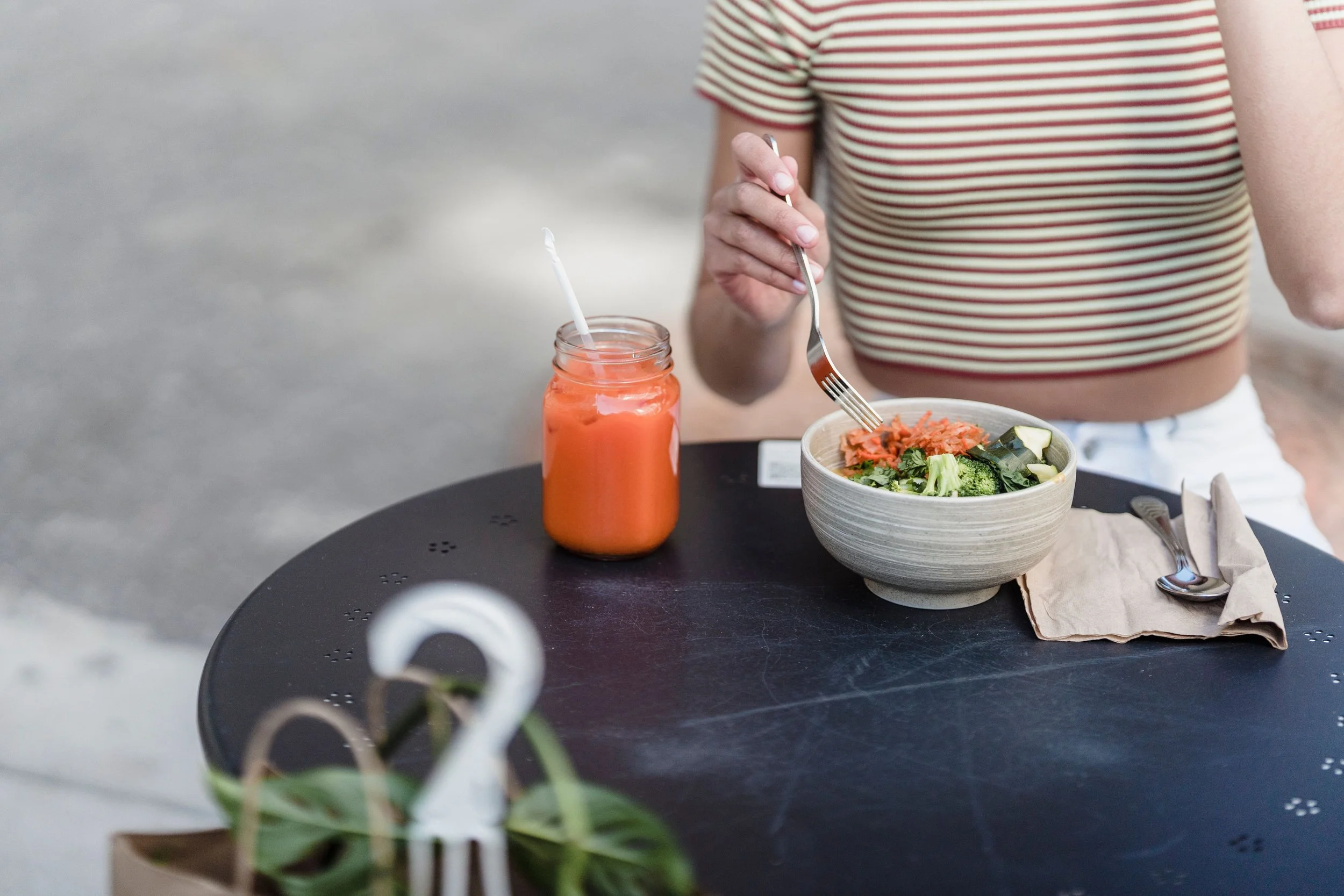
Photo credit: Blue Bird
Food Feels Less Like Something to Enjoy
Messages about food start early and rarely stop. From what counts as good and what counts as too much to what a meal is supposed to look like to be considered healthy—food starts feeling less like something to enjoy and more like something to perform.
There’s also a financial layer to this that doesn’t get talked about enough. Groceries are already expensive, and wellness trends tend to cost even more. When food goes to waste, the guilt isn’t just about the food, but it’s also about the money behind it, and that pressure can compound with everything else already being juggled in a given week.
How to Start Loosening Its Grip
Most people didn't choose to feel this way about food. It was absorbed one small message at a time in media, which means it can be unlearned the same way.
A few small ways to start: when the guilt shows up, name it out loud, even just in your head, "this is the guilt talking, not a fact." Give yourself a pause before deciding whether to act on it. If you're craving something specific, eat it without a side of extra guilt instead of substituting something "better" and staying unsatisfied. If a meal was rushed or imperfect, let it count anyway; nourishment doesn't require a perfect execution to be real.
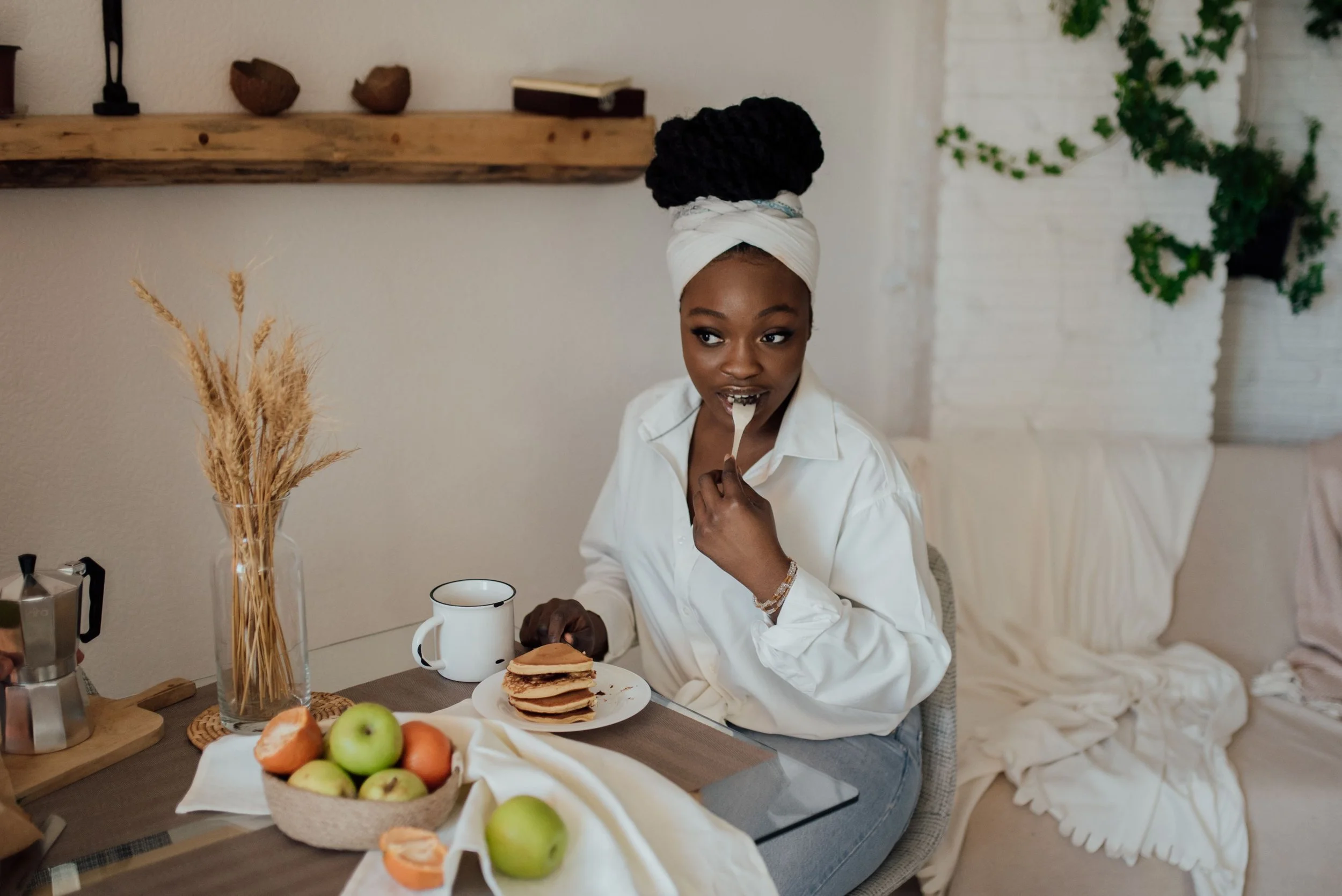
Photo credit: Arina Krasnikova
The Same Pattern Shows Up With Movement
The same guilt shows up around movement, and it responds to the same fix—less pressure, not more effort. Starting small matters more than starting hard, whether that’s a walk with a friend, a quick loop on a lunch break, or even a YouTube class chosen because it sounds good that day rather than because it burns the most calories.
Consistency, not intensity, is what builds a sustainable relationship with movement, the same way it does with food.
Food can simply be used to sustain your body without being a source of stress or self-judgment.