Wellness got turned into a shopping list. Here’s what it really means.
Most of what gets marketed as wellness right now has almost nothing to do with being well, which is exactly why so many people feel like they’re failing at something they were never given a real definition for.
Wellness is caring for your body and mind in ways you can keep up with—eating well, moving your body, getting enough sleep, managing stress, staying connected with the people around you, etc. It’s something you keep doing, in small ways, over and over, in a culture that keeps dressing it up as an aesthetic.
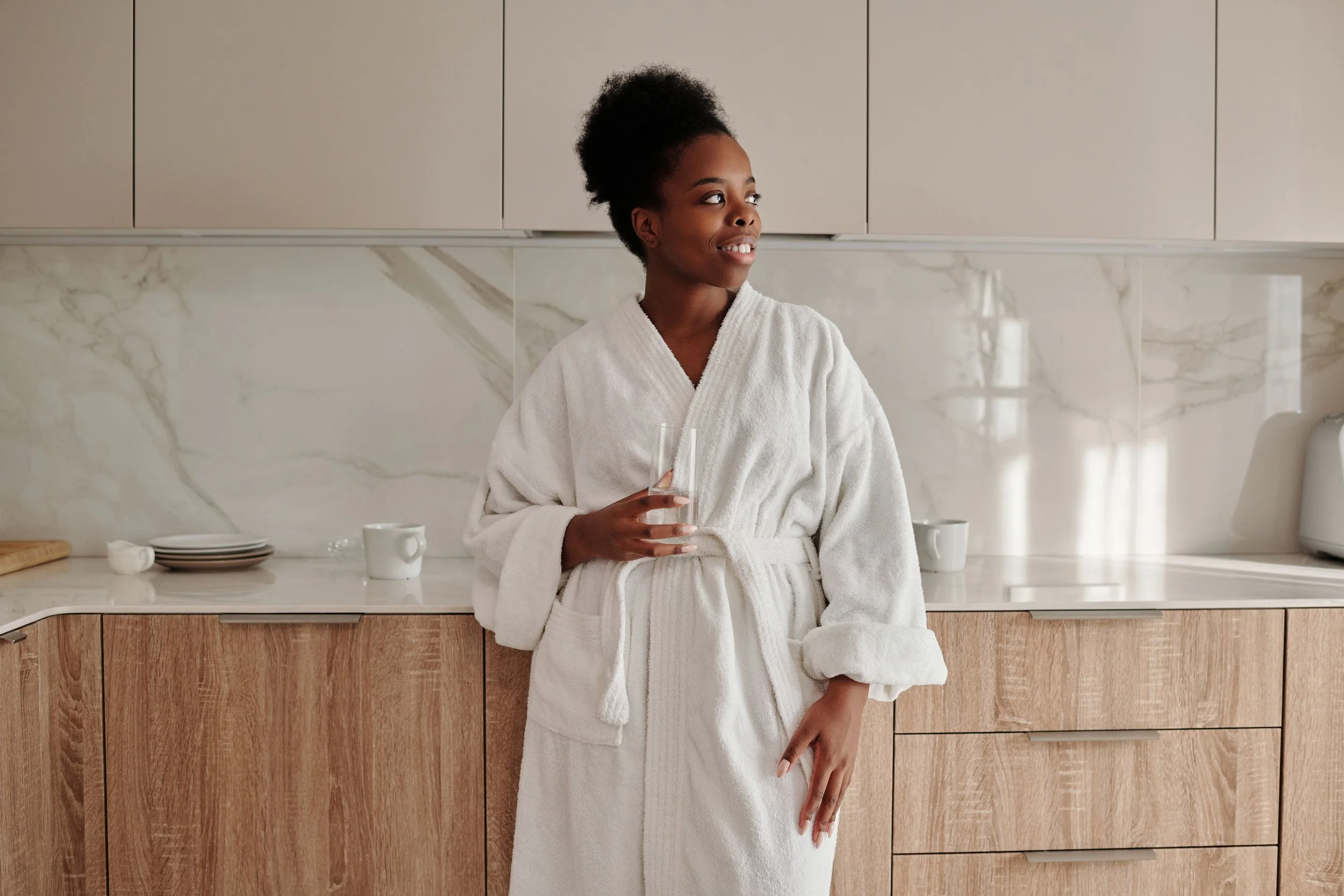
Photo credit: Diva Plavalaguna
What Wellness Is Not
Wellness became something you buy instead of something you do: a supplement stack, a $12 juice, a routine elaborate enough to need its own shelf. We’re made to feel as though if our life doesn’t look like a wellness ad, the definition failed you, not the other way around.
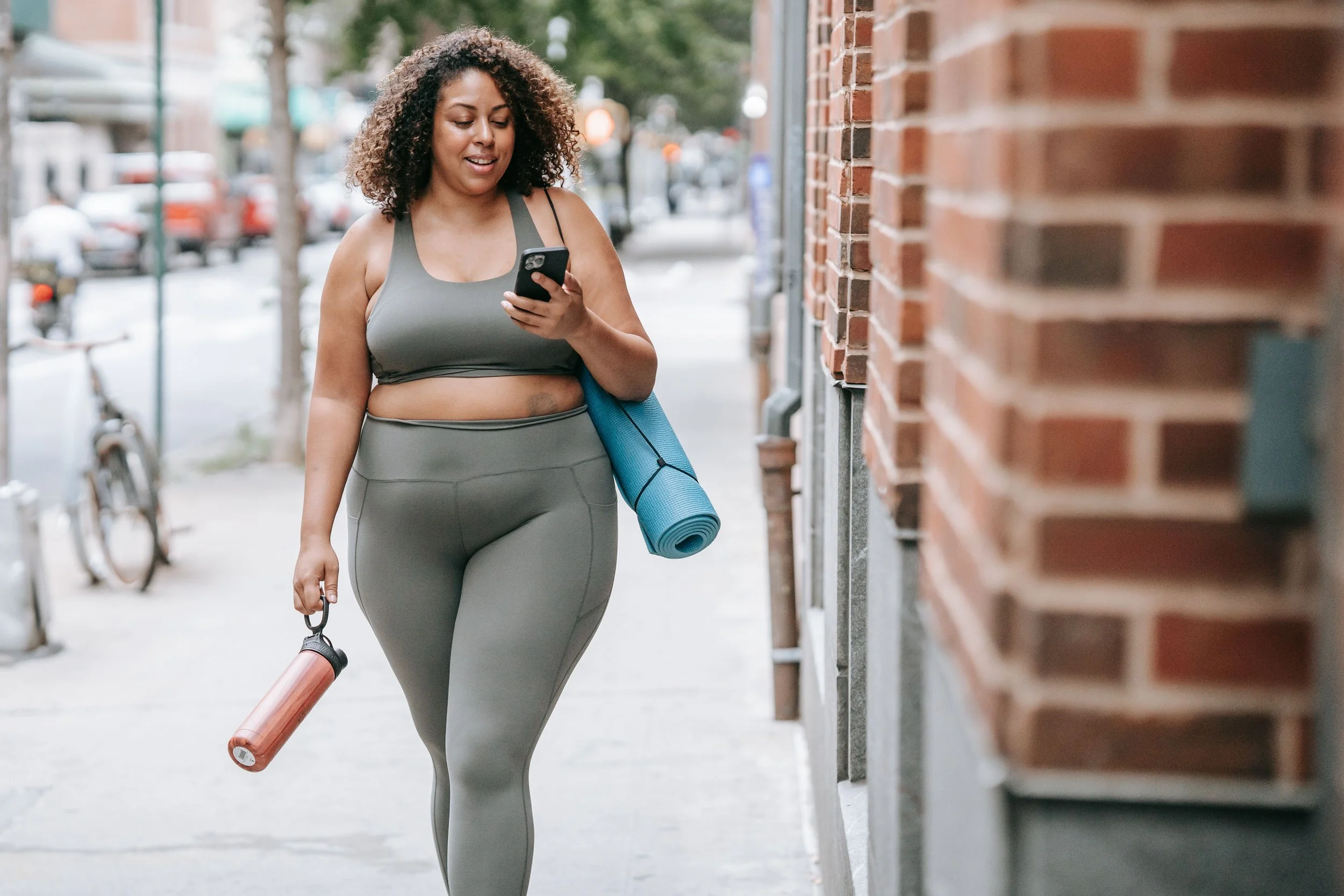
Photo credit: Mizuno Kozuki
The Blueprint
Food
Food is where most people start. Eat enough, eat regularly, stop treating food as something to earn, and you’re already doing this part.
Movement
Movement doesn’t require a workout. A walk, the stairs, stretching before bed—it all counts. The goal is to stay in motion, not to log a session.
Sleep
Sleep is what people cut first, but everything else gets harder when you don’t get enough of it. Most adults need seven to nine hours of sleep, according to the Sleep Foundation. If you fix one thing on this list, fix this one.
Stress
Stress isn’t something you eliminate; it’s something you manage: a few minutes before your day starts, a walk after a hard conversation, naming what’s stressing you out instead of just pushing through it.
Connection
Connection belongs on this list too. A call with a friend, dinner with family, a few minutes with a coworker—staying connected with your community is part of caring for yourself.