What to Look for in a Good Pair of Jeans, Beyond the Wash
The wash gets all the attention, but it’s rarely what makes a pair of jeans actually good.
Denim is one of the only categories in fashion where the price tag tells you almost nothing. A $40 pair can outlast a $300 pair by years, and the reverse is just as common. Most people shop for jeans the same way they pick a filter for a photo; the vibe comes first: a light wash, a dark wash, or that lived-in, vintage-inspired look a lot of people are chasing this fall alongside a return to darker, more polished washes for the season.
But a wash is the first thing to fade no matter what you buy, and it’s rarely the reason a pair earns a permanent spot in your closet. What matters is underneath all that—the fabric, the fit, and the construction.
Here’s what to check before you hand over your card to buy a new pair of jeans.
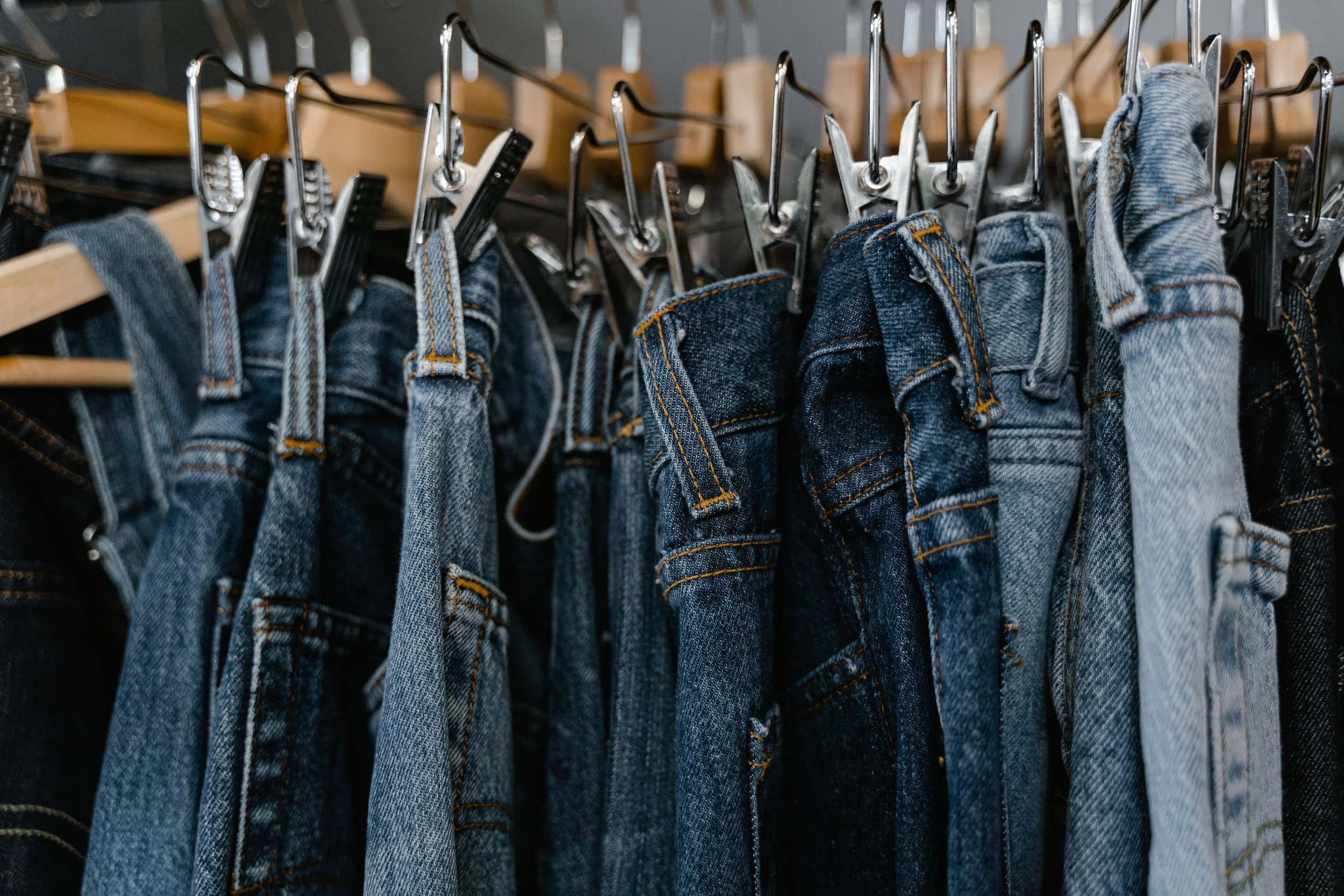
Photo credit: Mart Production
Start With the Weight of the Fabric
Denim is measured in ounces, and that number tells you more than anything else on the tag. Lighter denim, under 12 ounces, feels soft the moment you try it on, which is exactly why it’s easy to fall for in a fitting room. It’s also the first to thin out and lose its shape. Heavier denim, 13 ounces and up, takes longer to break in but holds its structure for years instead of months.
If a pair feels almost buttery soft on the rack, that softness is often a preview of how little life it has left.
Turn It Inside Out Before You Buy
This is the step almost no one takes, and it’s the one that tells you the most. Flip a pair inside out and look at the seams. Tight, even stitching is a sign of quality. Loose threads or uneven lines almost always give out first at the spots under the most stress—the inner thighs, the pockets, and the waistband. Reinforced stitching at the pockets and belt loops is worth looking for too, since that’s usually where a cheaper pair fails first.
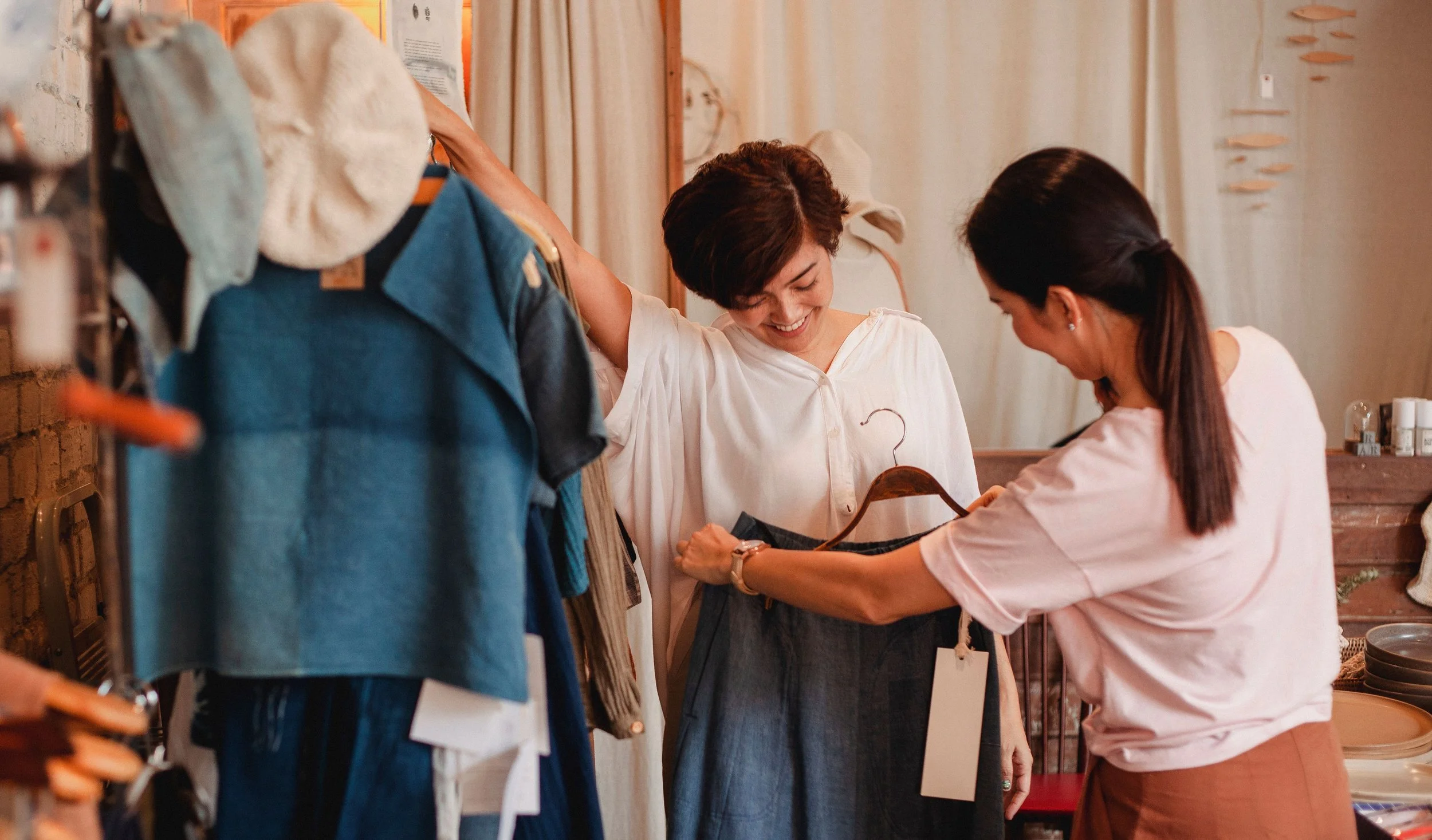
Photo credit: Sam Lion
Notice How the Denim Moves
A little stretch is standard now, but too much of it is usually a sign of a weaker, more synthetic-heavy fabric doing the work instead of the denim itself. A small percentage of stretch, generally somewhere around 1 to 3 percent elastane, tends to hold its shape far better over time than a pair that feels almost like leggings the second you put them on. Pull the fabric gently. If it doesn’t spring back quickly, that’s worth noting before you commit.
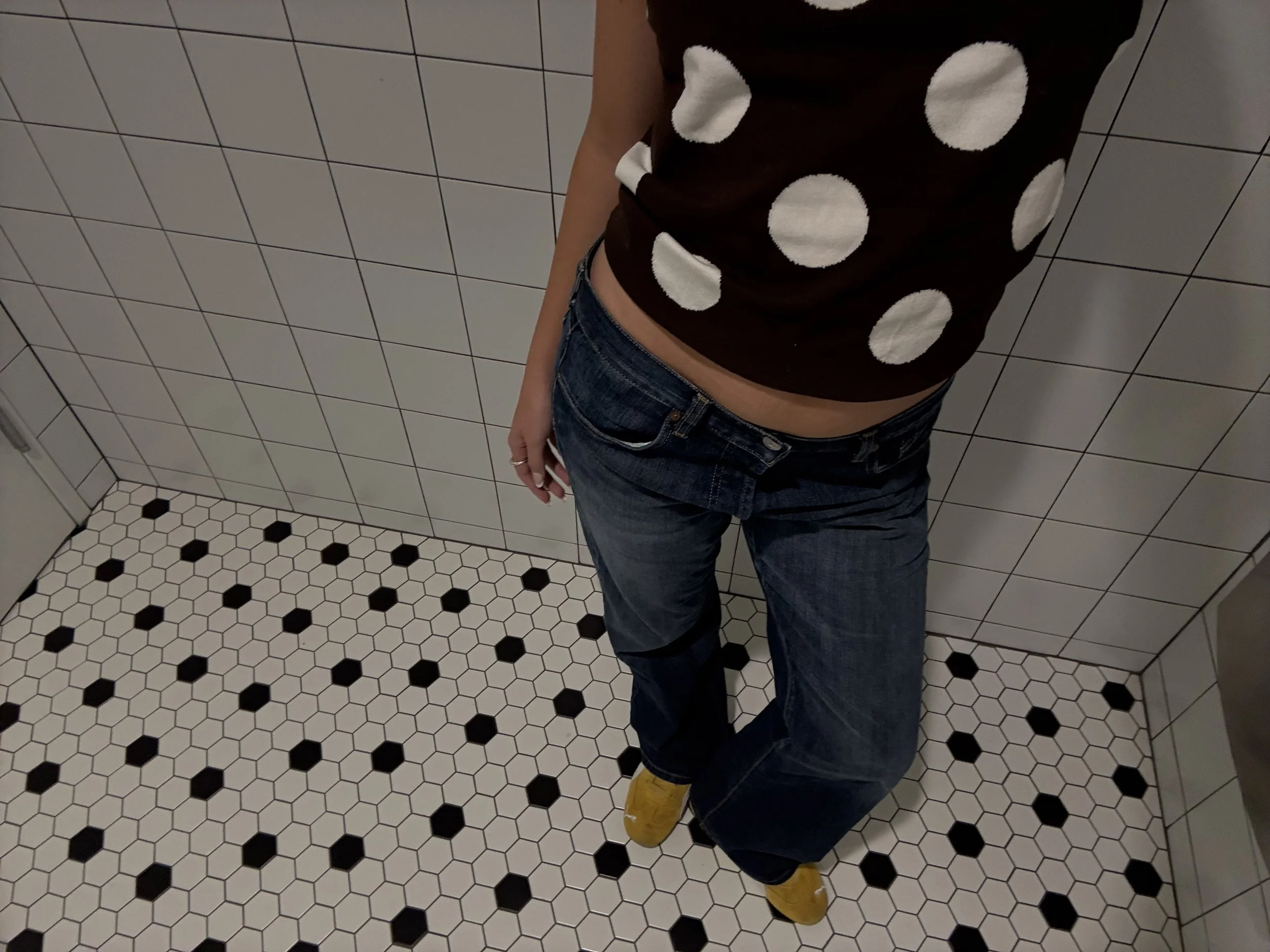
Photo credit: Kate Adler
Find the Rise That Fits Your Body, Not the Current Trends
A rise that sits at your natural waist will always be more comfortable than one chosen because it’s what everyone else is wearing. If you’re constantly tugging your waistband back into place, the rise is wrong for you.
Sit Down Before You Decide
A pair that looks perfect in the mirror. can feel completely different once you sit, reach into a pocket, or bend down to tie a shoe. Do all three in the fitting room, and if anything pulls or digs in while you’re seated, that’s the fit talking.
Washes will keep changing with every season. A well-made pair, in a weight, fit, and construction that works for your body, will outlast every trend cycle that follows. Buy for the part that doesn’t fade.