Chronically Late? Here’s How to Finally Fix It
From time buffers to mindset shifts, these small changes can make your daily routine feel significantly less rushed.
Being late every now and then is understandable. Being late to everything, however, quickly becomes stressful, inconsiderate, and unnecessary.
Most people have experienced both sides of lateness — rushing into a room, apologizing profusely, or sitting somewhere, wondering whether the other person will ever arrive. While occasional tardiness happens, constantly running behind can affect your relationships, reputation, and overall stress levels.
The good news is that punctuality is actually a skill, and with a few intentional changes, it’s possible to become someone who consistently arrives on time.
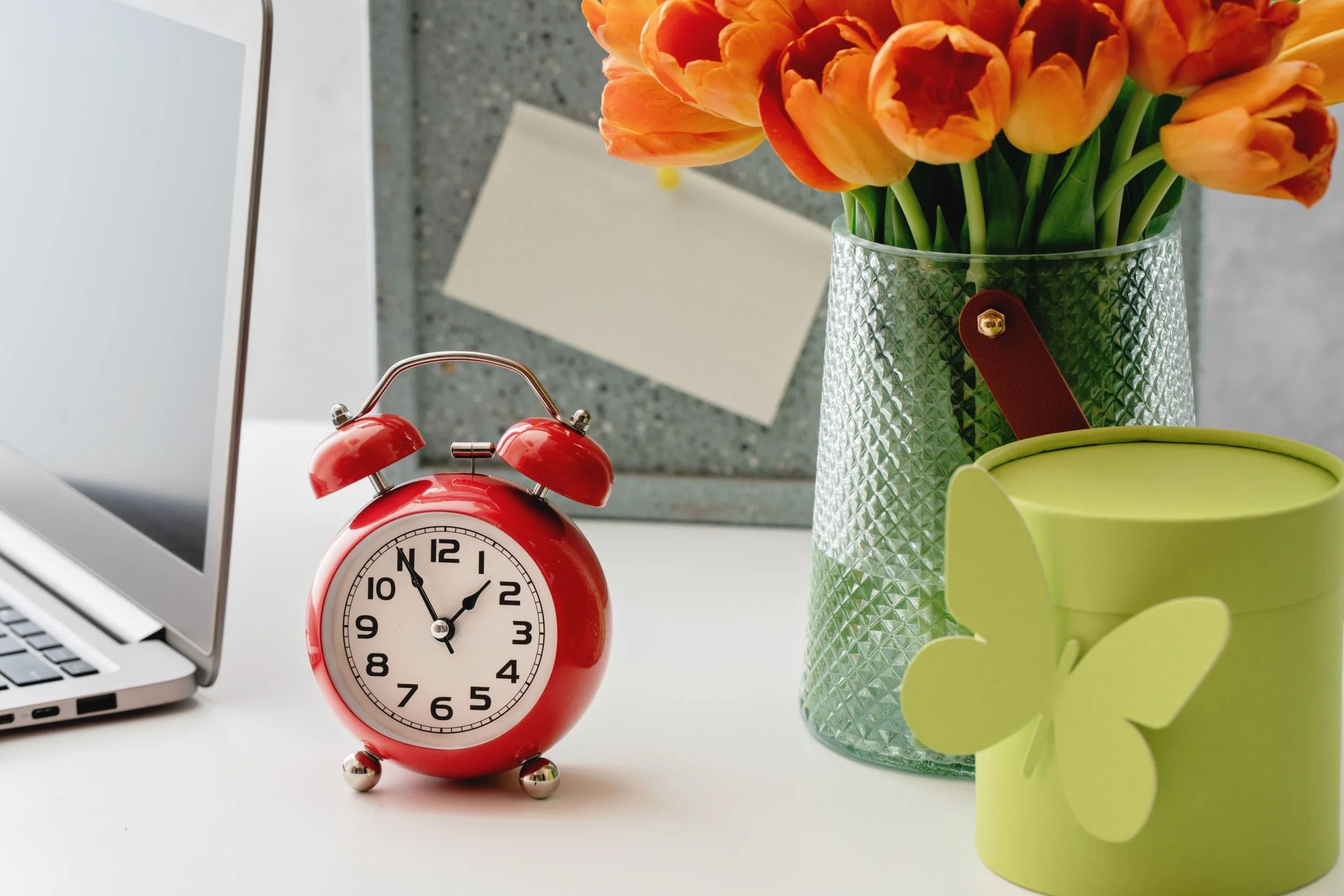
Photo credit: Tatiana Sviridova
Surround Yourself With Clocks
One of the simplest ways to improve your punctuality is to become more aware of the time throughout the day. Most of us rely on our phones for the time, but going old school can be super helpful. Put clocks in multiple rooms throughout your home, wear a watch, and make sure you can easily check the time wherever you spend the most time. When time is constantly visible, it becomes much harder to unintentionally lose track of it.
Prep and Plan as Much as Possible
A lot of lateness happens because people try to squeeze in “one last thing” before leaving. Planning ahead can eliminate many of those delays before they happen.
Lay your clothes out the night before, pack your bag in advance, and think through factors like parking, traffic, or how long it will realistically take to get somewhere. Small decisions made ahead of time can make your mornings and transitions feel less rushed.
Keep a Detailed Schedule
Whether you rely on your phone calendar, a scheduling app, or a paper planner, keeping track of your commitments in one place makes a huge difference.
Guessing what time something starts or forgetting plans altogether are among the easiest ways to end up late. A detailed schedule creates more structure around your day and helps you better understand how your time is being spent.
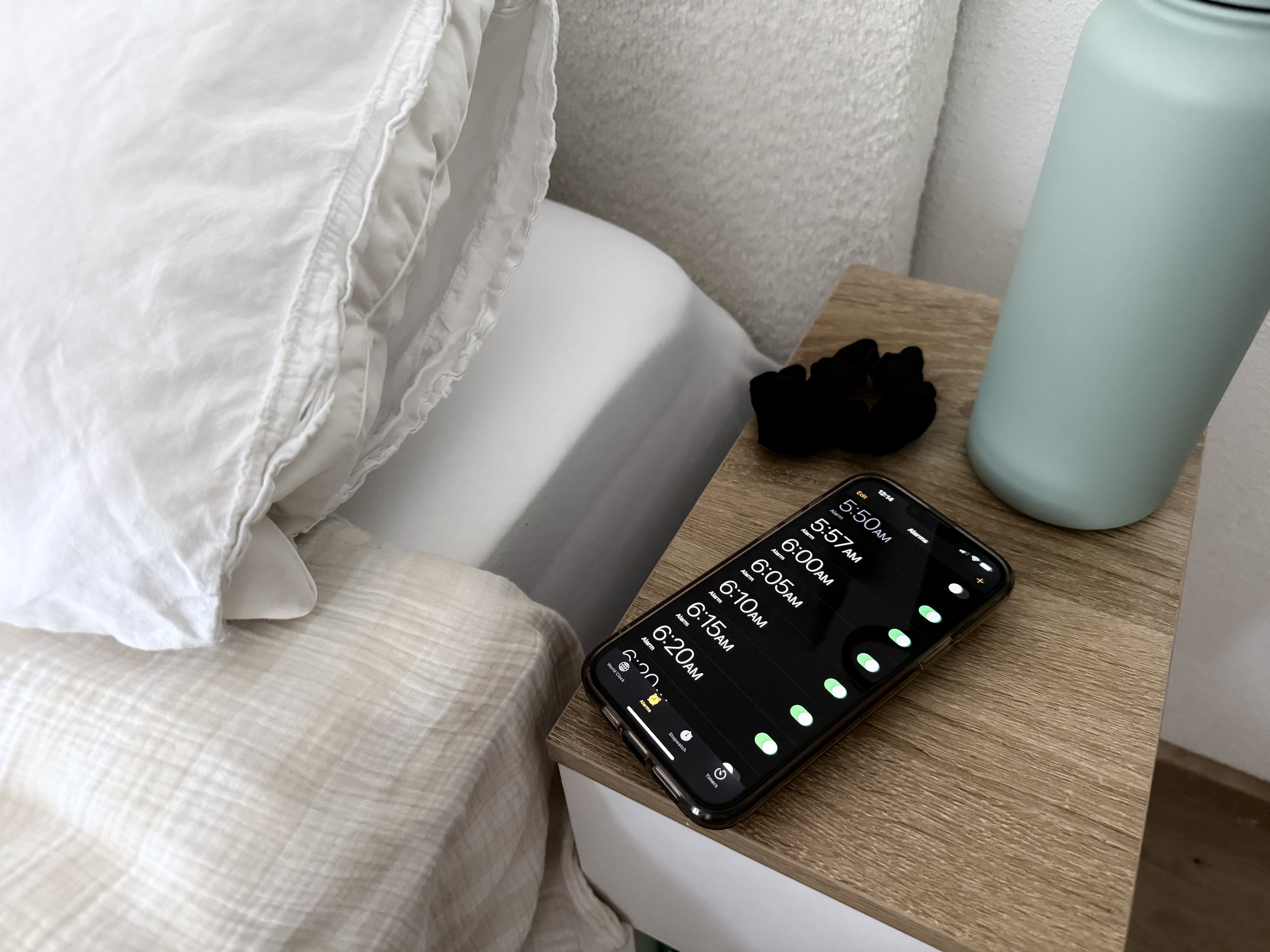
Photo credit: Paige Blackmon
Build in Time Buffers
One of the oldest punctuality tricks is still one of the most effective: give yourself more time than you think you need.
If something starts at 10 a.m., tell yourself it starts at 9:30. If you need to leave by 8 p.m., aim for 7:45 instead. Building in extra time creates breathing room when unexpected delays inevitably happen, and it removes that frantic feeling of trying to arrive exactly on time.
Set Timers for Everyday Tasks
If distractions are what typically make you late, timers can help keep you aware of how quickly time passes.
Set alarms for tasks like getting ready, folding laundry, or scrolling on your phone before leaving the house. Even a simple reminder 30 minutes before you need to head out can help prevent small distractions from turning into major delays.
Reduce Mindless Screen Time
Scrolling TikTok, binge-watching a show, or getting pulled into social media can make time disappear surprisingly fast.
If you already struggle with punctuality, avoid opening apps or starting shows right before you need to leave. What feels like “just five minutes” can easily turn into thirty.

Photo credit: Shai
Learn to Appreciate Being Early
Many people who are consistently late dislike waiting, which is part of why they cut their timing so close. But arriving early can actually make life feel calmer.
Being early gives you time to settle in, answer messages, grab a coffee, or mentally prepare before an event begins. Instead of feeling rushed and stressed, you get to arrive feeling relaxed and present.
Reframe How You Think About Punctuality
Punctuality is often less about time management and more about mindset.
Consistently being late can communicate that other people’s time is less valuable than your own, even if that’s not your intention. Being on time signals respect, attentiveness, and reliability, all of which affect how people experience you.
Assume Everything Takes Longer Than You Think
Quick errands and small tasks have a way of adding up. Stopping for gas, replying to one email, or running back inside for something you forgot rarely takes “just a second.” Instead of underestimating how long things will take, start overestimating slightly. That extra cushion can make a huge difference.
Stop Procrastinating Before You Leave
Leaving dishes in the sink until the last possible second or waiting to get ready right before plans almost always creates unnecessary stress.
Handling tasks earlier in the day allows you to leave the house without scrambling to finish things at the last minute.
Figure Out Why You’re Always Late
Sometimes chronic lateness has less to do with organization and more to do with avoidance, anxiety, or resistance.
You may be procrastinating because you don’t want to attend something, or because rushing has become so normal in your routine that it feels unavoidable. Understanding the root of the habit can make it easier to change.
Take Accountability for Your Time
One of the most frustrating parts of dealing with chronically late people is when they act like their lateness is no big deal.
If punctuality is something you struggle with, acknowledging it honestly — both to yourself and to others — can go a long way. Accountability creates awareness, and awareness is often the first step toward change.
Make Punctuality Part of Your Routine
Like any habit, punctuality takes practice and consistency.
You probably won’t transform overnight, and that’s fine. The goal is not perfection, but progress. Over time, small changes in how you prepare, schedule your day, and think about time can gradually make punctuality feel more natural and far less stressful.