A beauty expert shares what to change in your routine before you board and after you land.
If you’ve ever landed for the holidays with tight, dry skin and realized your moisturizer is at the bottom of your checked bag, you already know how fast travel can undo a good routine. The Centers for Disease Control and Prevention notes that the humidity inside an airplane cabin is typically just 10% to 20%, and the cold weather and indoor heating waiting for you at the other end can make it worse.
Danielle Louise, a hair and beauty expert on Fresha, a booking platform for beauty and wellness treatments, says most people put time into choosing a moisturizer before a flight but don’t think about how their routine needs to change once they arrive. “Preparing your skin before you board can help it feel more comfortable when you land,” she said.
Here are the six mistakes she suggests avoiding, whether you’re flying to see family, heading to a city for the holidays or planning a ski trip.
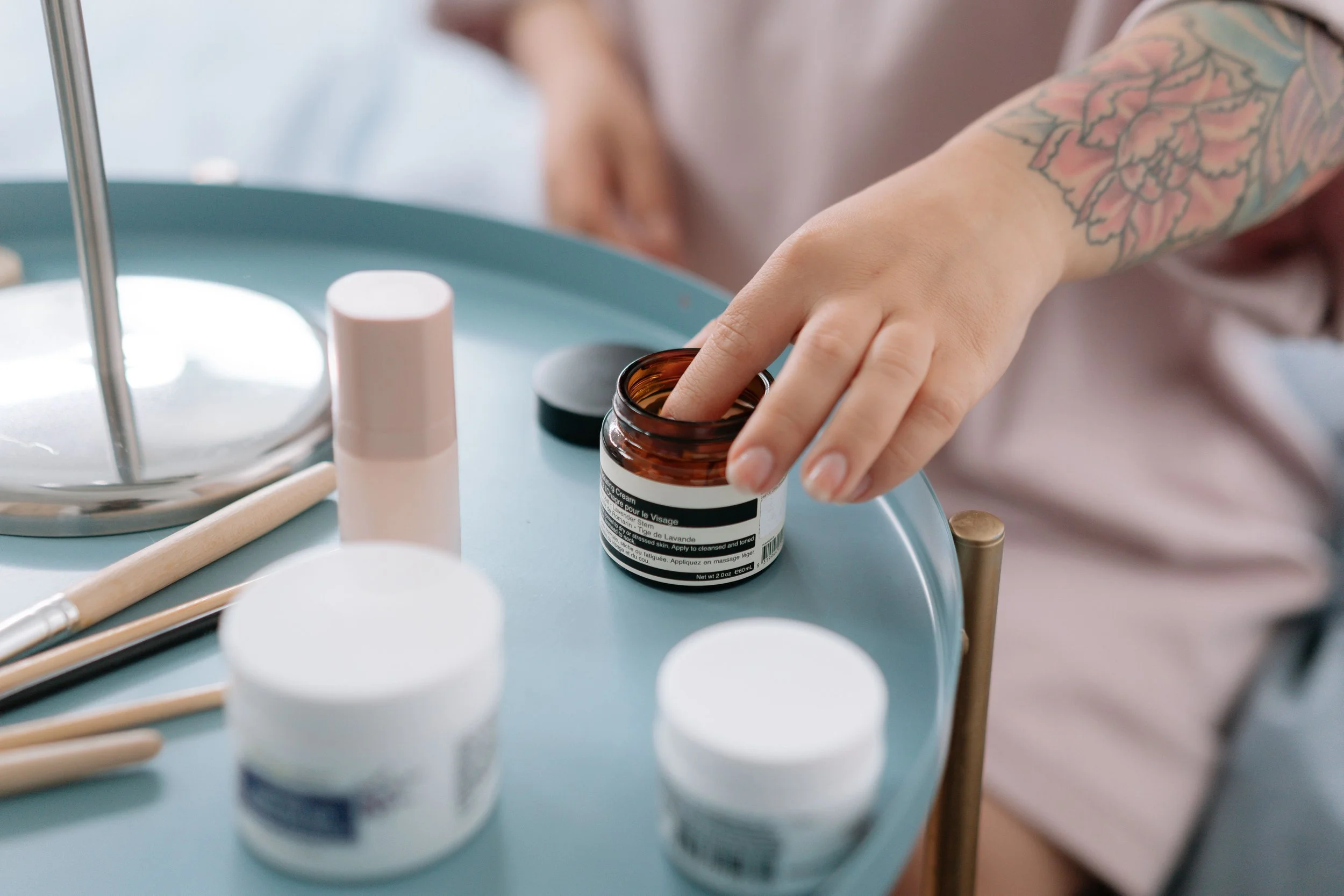
Photo credit: Ron Lach
Packing Your Moisturizer in Your Checked Bag
Apply a moisturizer you already know and like before you board, then keep it in your carry-on with a lip balm so you can reapply if your skin starts to feel dry. Creams and other liquids need to follow TSA’s 3-1-1 rule, which means containers of 3.4 ounces or less packed together in one quart-size bag per passenger.
Trying a Last-Minute Exfoliation
A new peel or an extra round of exfoliating the night before a flight can backfire if it leaves your skin stinging, dry or flaky. If your skin already feels irritated, it’s best to simplify your routine than to add another step. Products with retinol, glycolic acid or salicylic acid may need to be used less often when skin is dry, and anyone using prescription skincare should follow their clinician’s advice.
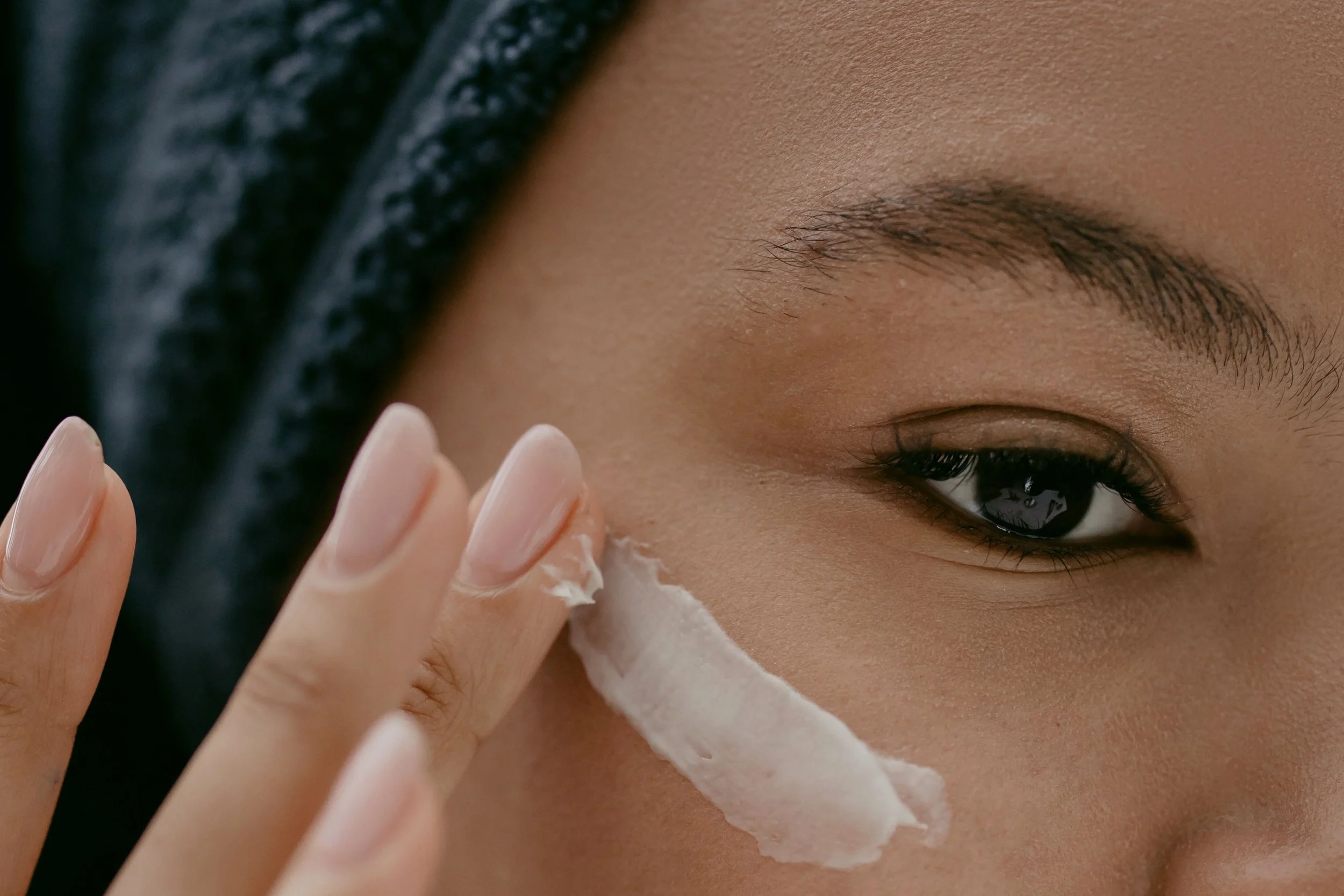
Photo credit: Cotton Bro Studios
Taking a Warm-Weather Routine on a Cold-Weather Trip
A light lotion that works well at home in a mild climate may not be enough for a cold weekend in Chicago or a December trip to New York, since cold air outside and heating inside both make it harder for skin to hold on to moisture. If your skin tends to get dry, pack a richer, fragrance-free cream and reapply it when you need to. Hand cream and lip balm belong on the packing list too, alng with a pair of gloves for the walk outside.
Warming Up With a Long, Very Hot Shower
After a morning walk, a parade or an afternoon at an outdoor market, a long, steamy shower can sound like the best idea in the world, but hot water and lengthy showers can make dry skin worse. Keep the water warm instead of hot, limit your shower to about five to ten minutes, and gently pat your skin dry before applying moisturizer while it’s still slightly damp to help lock in moisture.

Photo credit: Roman Odintsov
Leaving Sunscreen at Home Because It’s Cold
A cold forecast doesn’t mean you can skip sun protection, especially on a ski vacation in a place like Colorado or Utah, where higher altitude and UV light reflected off the snow can increase the risk of sunburn. Pack a broad-spectrum, water-resistant sunscreen with an SPF of 30 or higher for your face, ears, neck and any other exposed skin, and bring sunglasses or goggles with UV protection. Reapply at least every two hours outdoors and after sweating, following the product instructions, and use clothing and shade for extra coverage.
Assuming One Layer of Sunscreen Will Cover a Winter Beach Day
If you’re spending the holidays in Florida, Hawaii or the Caribbean, a beach day or an afternoon by the pool still calls for sunscreen even if you left freezing temperatures behind. Check the UV forecast of your destination, choose a broad-spectrum, water-resistant formula with an SPF of 30 or higher and reapply every two hours, as well as after swiming, sweating or drying off with a towel. Shade and sun-protective clothing help, too.
Louise adds that people often blame jet lag when their skin looks dull and feels uncomfortable after a flight, but dry cabin air can play a part as well.
Danielle Louise’s tips are drawn from guidance by the CDC, the TSA and the American Academy of Dermatology.