6 Analog Hobbies for a Doom-Scroll-Free Fall
What to do with your hands when the urge to scroll kicks in.
Fall has a way of pulling people back indoors, and indoors is exactly where a phone becomes the default entertainment for every slow stretch of an evening. The problem isn’t the scrolling itself; it’s what it replaces. An hour on your phone ends with nothing to show for it, while an hour spent on a puzzle, writing a letter to a friend, or baking a loaf of bread ends with something you actually made.
None of the ideas below require becoming a different person or overhauling a routine. They just give your hands and your attention somewhere else to go once the sun starts setting at 6 p.m.
Puzzles
A jigsaw puzzle is one of the easiest analog hobbies to start because it asks so little of you upfront. Leave it out on a table or a tray, and it becomes something to return to in ten-minute increments rather than a full-on project. There’s also a built-in social element that a phone can’t replicate. A puzzle left out is an invitation for whoever else is in the house to sit down and work on a corner of it too.
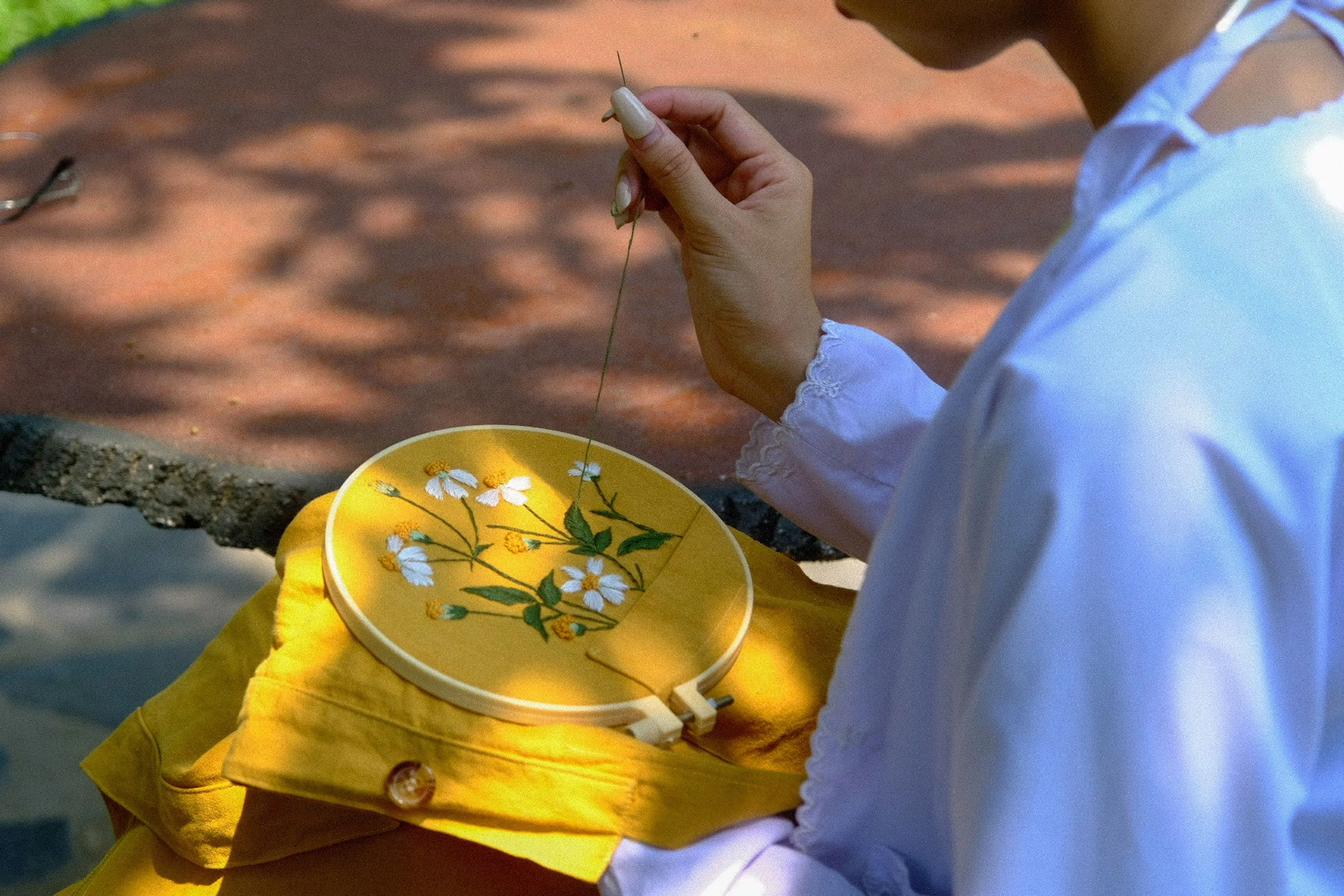
Photo credit: Nha Van
Embroidery or Cross-Stitch
Both are more forgiving than they look, and a beginner kit comes with everything needed to finish a small project in a weekend or two. The appeal here is repetitive and almost meditative, the kind of motion that keeps your hands occupied while a show plays in the background, minus the second screen. Cross-stitch in particular rewards patience over skill, which makes it a good entry point for anyone who assumes they aren’t the crafting type.
Letter Writing
Texting has made the handwritten letter feel like a lost art, which is exactly why it feels so special when someone receives one. Writing a letter fosters a slower kind of thinking than a text does, since there’s no backspace and no group chat to workshop the wording. Pick one person—a friend who moved away, a parent, a college roommate—and commit to sending one letter a month through the fall. It costs a stamp and twenty minutes, and it tends to mean more to the person receiving it than almost anything sent digitally.

Photo credit: Sam Lion
Reading Physical Books Again
An e-reader is convenient, but a physical book removes the temptation to switch tabs the moment a chapter gets slow. Keeping one book on a nightstand, away from any device, makes it the only thing available in that spot, which does more to build a reading habit than any amount of willpower. Fall is also when a lot of the year’s best fiction gets released.
Baking From Scratch
Baking is one of the few hobbies that produces something you can hand to another person by the end of the evening. Start with something forgiving, like banana bread, a simple focaccia, or drop cookies, rather than a recipe that demands precision on the first try. The process itself is what matters here: measuring, waiting for the dough to rise, pulling something out of the oven. It’s not a quick dopamine hit, and that’s the point.

Photo credit: Liza Summer
Journaling by Hand
A journal doesn’t need a system or a prompt to be worth keeping. Five minutes at the end of the day, writing down what happened rather than performing it for an audience, does more for processing a day than scrolling through everyone else’s does. The habit is less about the writing itself and more about giving your own thoughts a place to land before bed.
Pick one of these, and you’ll have a finished puzzle, a mailed letter, or a book you finished cover to cover by the time the season’s over, instead of a few hundred more hours of scrolling through content you won’t remember. Fall is long enough to make room for more than one.